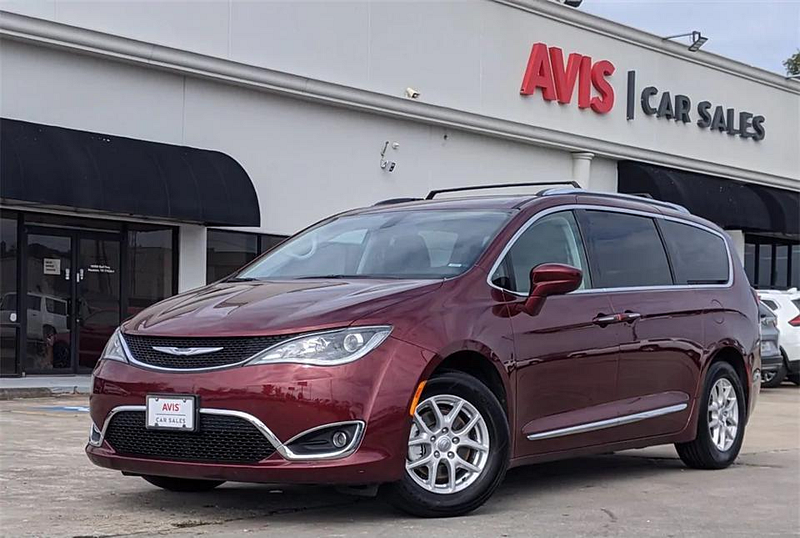
I’ve always been curious about what it would be like to buy a rental car, so I enjoyed the opportunity to talk with Greg Nierenberg, who leads Avis Car Sales. I wrote up the details in Forbes. Check it out!
Nierenberg explains that the Ultimate Test Drive is technically a rental, which gives Avis more flexibility than the typical car dealership. Indeed, a 2017 advertisement for the Ultimate Test Drive opens with the statistic that “the average test drive lasts for 17 minutes,” but the Ultimate Test Drive lasts for up to three days.
Reutersreports that Ouster, a five year-old, San Francisco-based lidar startup, plans to go public via a SPAC (special purpose acquisition company), at a market capitalization of nearly $2 billion. Kudos to Paul Lienert at Reuters, who also broke a recent story on Apple’s car efforts and is having quite a week.
According to Reuters, Ouster is the fifth lidar company this year to “agree” to go public via a SPAC, after Velodyne, Luminar, Innoviz, and Aeva. That’s kind of amazing, especially given that the primary customer of these companies will presumably be self-driving car manufacturers, almost none of whom have even launched a product yet — much less built profitable businesses.
I confess to not fully understanding the advantages of SPACs. I assume they bypass a lot of the paperwork and headaches associated with traditional IPOs. But I also imagine that in theory they should come with quite high capital costs. The number of SPACs available to take a startup public is much smaller than the number of institutional investors who would buy shares in a traditional IPO.
However, the outsized valuations of Luminar and Ouster, in particular, show that companies can achieve really high valuations via SPACs. According to the CEO of Colonnade Acquisition Corp., which will acquire Ouster and take it public, “It’s not a business plan — they’re selling real products to real customers right now.”
That’s kind of a surprising quote for a $2 billion valuation.
From the beginning, the project has focused on both autonomy and electrification. Reuters points to progress on the latter.
”It’s next level,” the person said of Apple’s battery technology. “Like the first time you saw the iPhone.”
Before that quote, the Reuters article does qualify this “person” as, “familiar with the companies plans.” Nonetheless, it’s amusing to read quote after quote attributed to “the person.” Apple takes secrecy seriously.
The article shares detail about “monocell” battery design that is beyond my expertise, but seems like progress.
Autonomy is less clear. Maybe Apple will build its own car. Maybe it will partner with an OEM.
“Sources have said they expect the company to rely on a manufacturing partner to build vehicles. And there is still a chance Apple will decide to reduce the scope of its efforts to an autonomous driving system that would be integrated with a car made by a traditional automaker.”
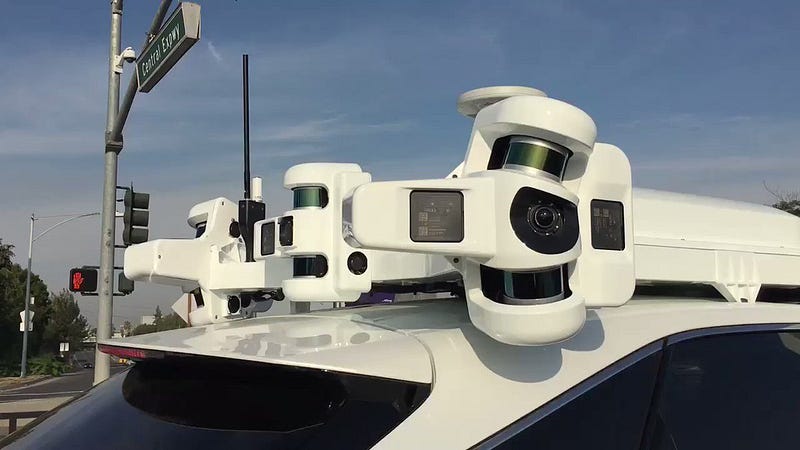
Maybe there will be many lidar sensors. Maybe there won’t?
Apple is targeting 2024 for a launch, but it might push back to 2025 because of the pandemic. Or (Reuters doesn’t speculate, but I will) because manufacturing self-driving cars is hard.
Apple has so much money I know not to ignore the trickle of news out of Project Titan. But it’s a trickle.
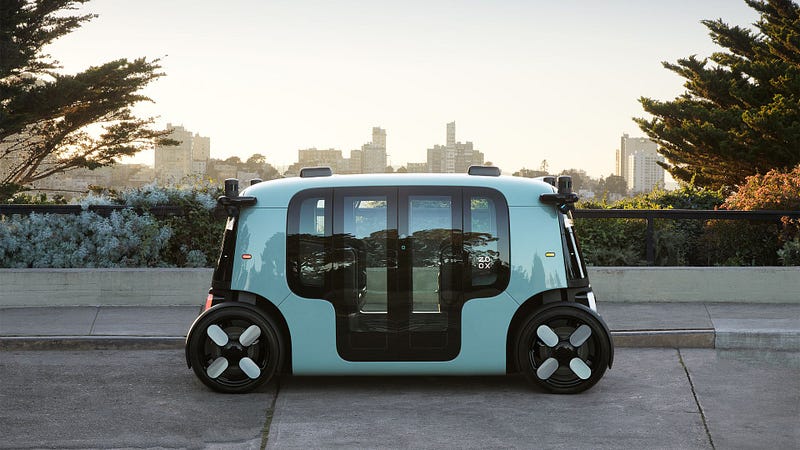
Yesterday, Zoox unveiled its long-awaited vehicle. It doesn’t yet have a name (the Zoox website lists it simply as, “VEHICLE”), although the press describes it as a “carriage”, at least in form factor. It resembles the Cruise Origin more than a little bit, including the glass elevator-style doors.
Zoox has done some amazing technical work with this vehicle. Most notably, the vehicle supposedly moves it not only forward and backward, like a normal car, but also side-to-side, like a dolley.
That said, I am a little skeptical about the utility of a four-person passenger vehicle as the true form factor for the self-driving future. We’re used to four-person vehicles now because consumers have to purchase cars that fill lowest-common-denominator needs. In a transportation-as-a-service world, though, I suspect we’ll all want to travel in our own personal vehicles.
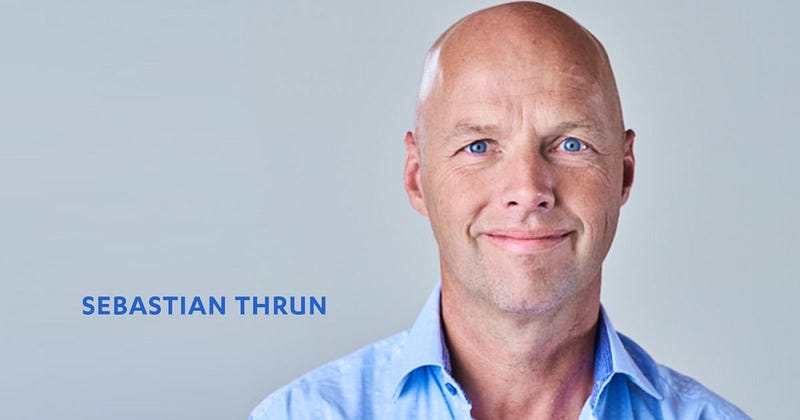
They cover AI, transportation, digital medicine, autonomous flight, Udacity, the future of technology, and more. You even get to hear Sebastian talk about a refrigerator flirting with a dishwasher.
(I contributeForbes.com; it’s a stretch to call Steve Forbes my “boss”. I’ve actually never met Steve Forbes myself, but just go with it.)
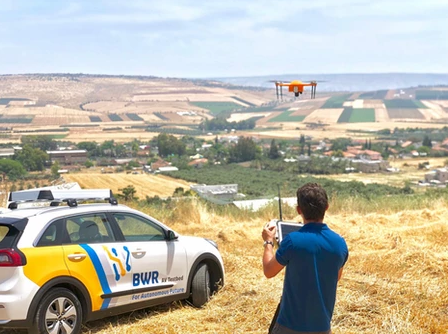
I always enjoy learning about new autonomous vehicle companies. Recently I heard from an Israeli startup called Blue White Robotics that is working with lots of different types of autonomous vehicles.
BWR offers an end-to-end service that includes robots, software, operations, and even “boots on the ground.” Their website has photos of drones and autonomous shuttles and self-driving cars, alongside business objectives that range from agricultural pollination to medical transportation to HAZMAT.
Their website sizes the company at 60 employees, which implies a fairly large existing operational portfolio.
Like Bestmile, the goal for Blue White Robotics appears to be a multi-modal platform that customers can configure for their specific needs. A little bit like “AWS for autonomy.”
This is a big goal and I am excited to see companies like BWR aiming for it.
Although neither Amazon nor Walmart are known first and foremost as self-driving companies, they both have been doing a lot of work in the space. But they have been doing that work differently. Amazon has been investing while Walmart has been partnering.
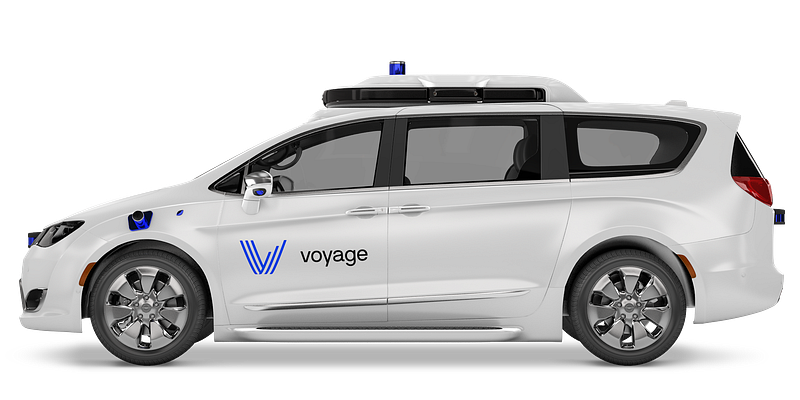
Today is my first day as a motion control engineer at Voyage. I’m so excited!
Voyage came into being years ago as part of Udacity. Oliver Cameron, Voyage’s co-founder and CEO, was my first manager at Udacity. The rest of Voyage’s founding team were my colleagues when I joined Udacity in 2016. I’m thrilled to join them again to work on self-driving cars.
Over the past four years, I have been so impressed by Voyage’s progress. They are now on their third-generation vehicle, and they are already testing a fully driverless autonomous stack.
My role at Voyage will be on the motion control team, which handles steering, acceleration, and deceleration. It’s the “act” part of the “sense-plan-act” robotics cycle. This should be a lot of fun!
One of the most attractive aspects of joining Voyage was the ability to make a big impact on a lot of different parts of the autonomy stack, and I hope to work on many different components over time. Keep an eye out!
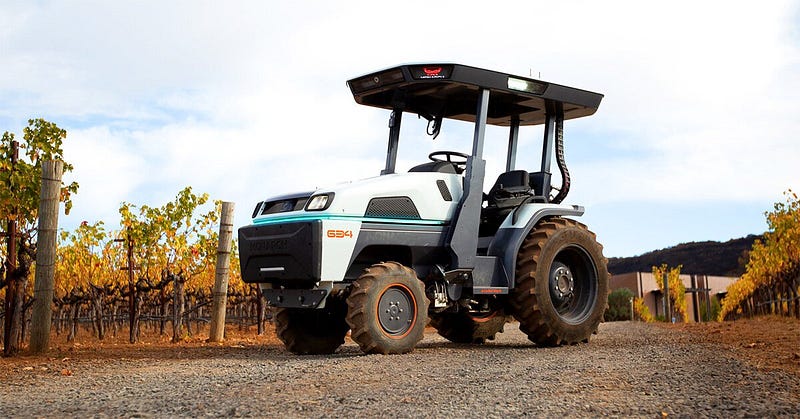
This fall has been big for driverless launches: first Waymo, then Cruise, and now a bunch more. The fact that a slow tractor feels like no big deal is a testament to the quiet progress the industry has made recently.
After four and a half years, today is my last day at Udacity. On Monday, I will return to my roots in core self-driving car engineering. I’m excited!
Udacity has been the most successful and fun experience of professional life. I leave with memories of amazing students, terrific colleagues, and work of which I am proud.
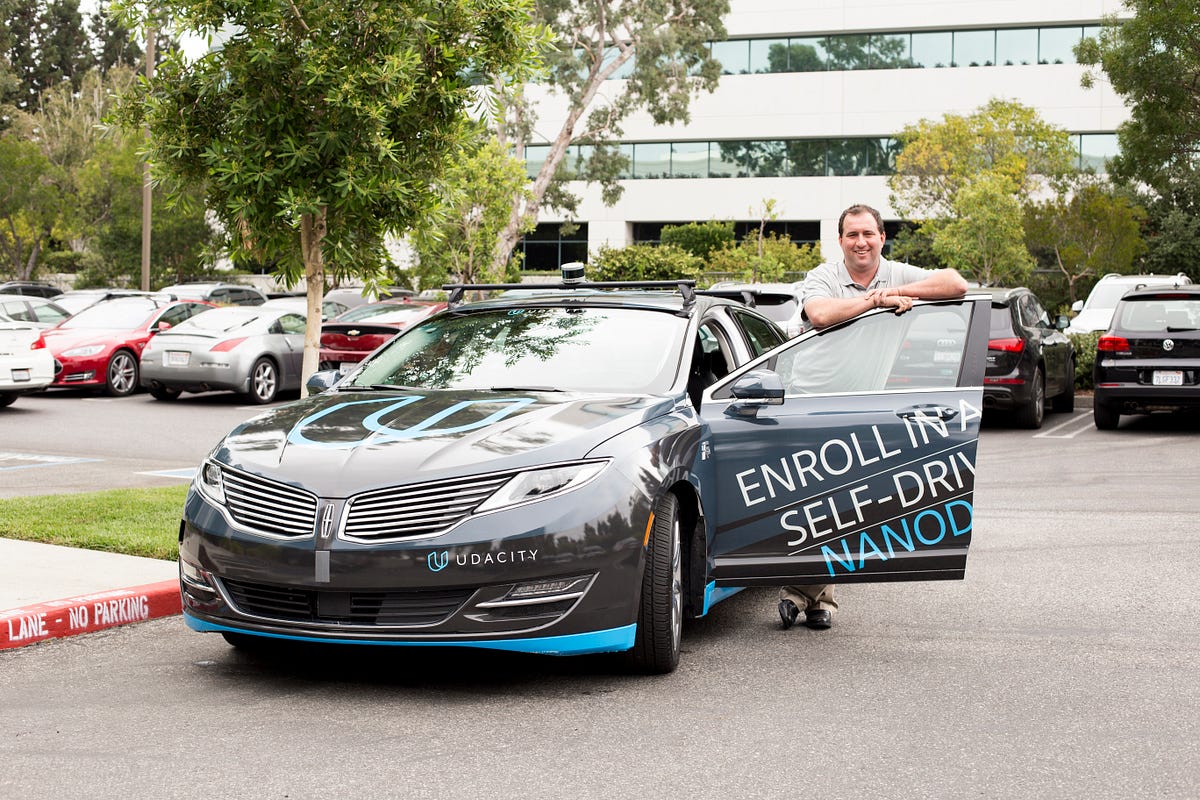
I am so grateful to Sebastian Thrun and the Udacity team for recruiting me here in 2016. Together we built the Self-Driving Car Engineer Nanodegree Program, which has trained thousands of autonomous vehicle engineers, along many other amazing programs an courses, ranging from artificial intelligence to data science to web development to cloud computing, and beyond.
This small collection of photos captures a few of my many wonderful experiences with this amazing company.
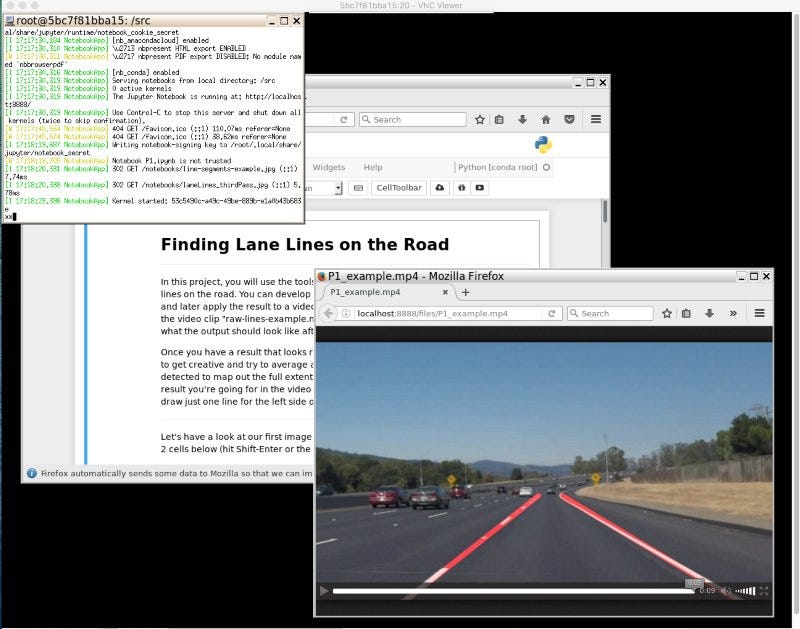
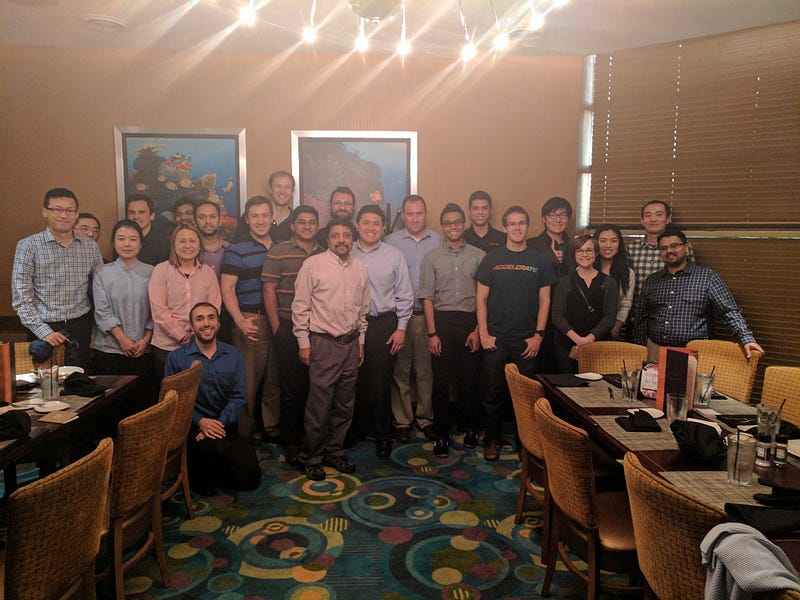
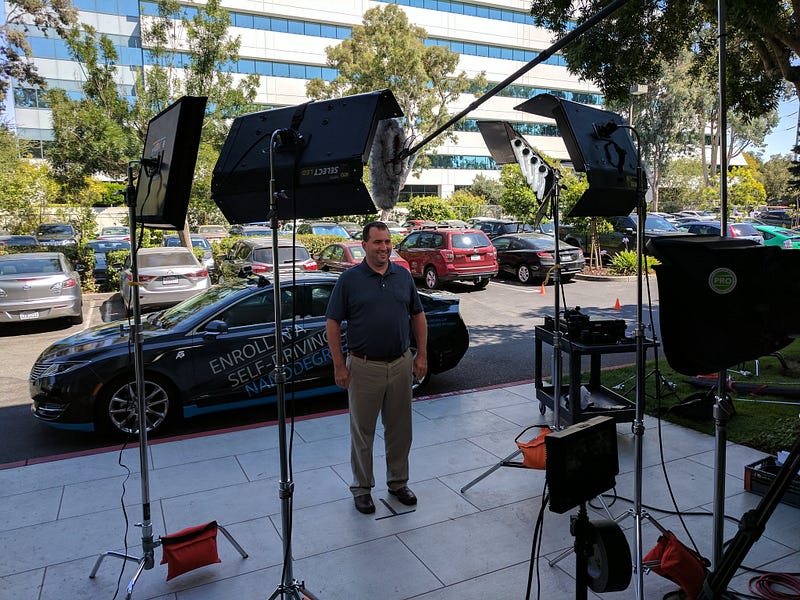
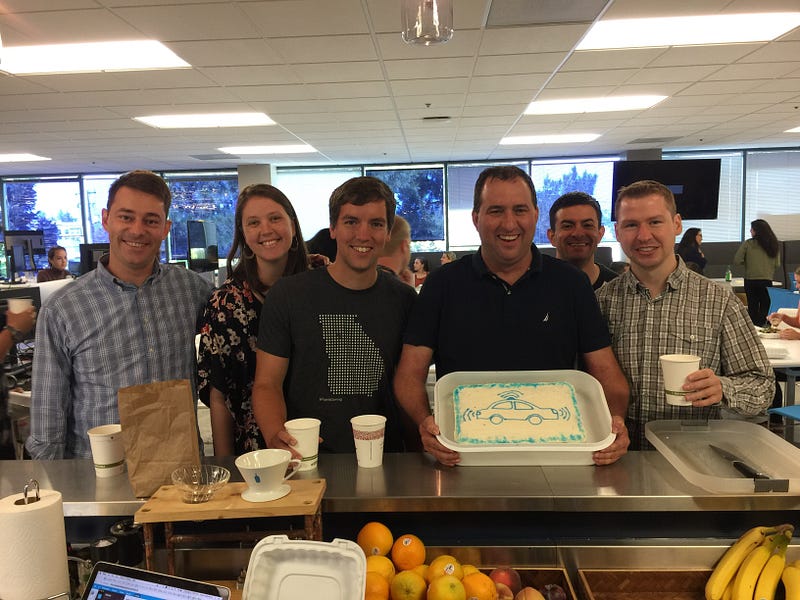
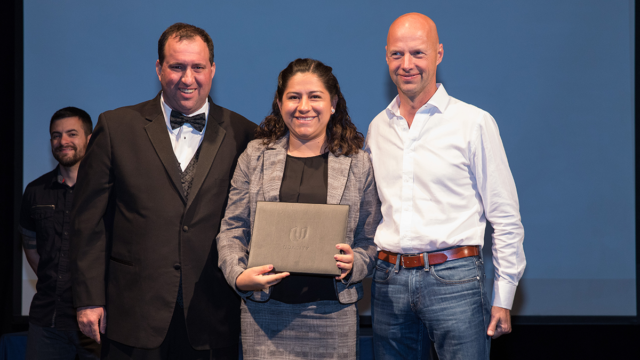
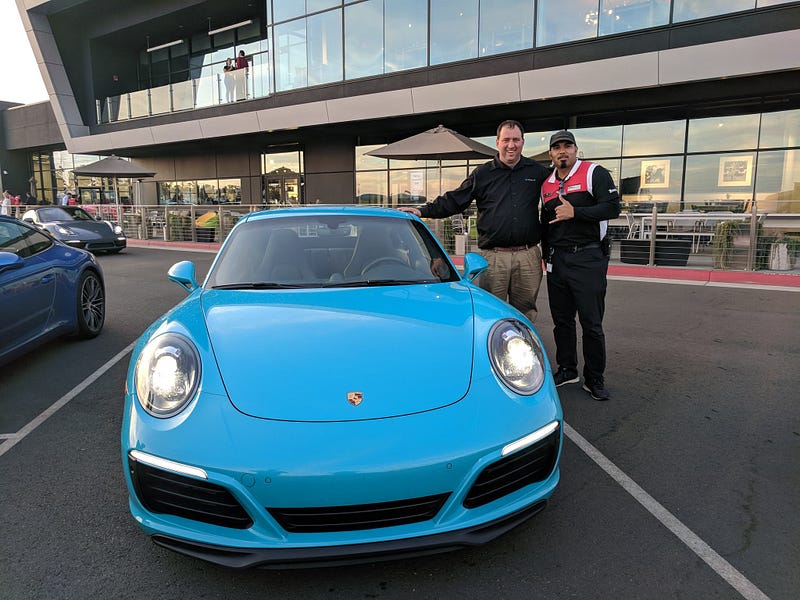
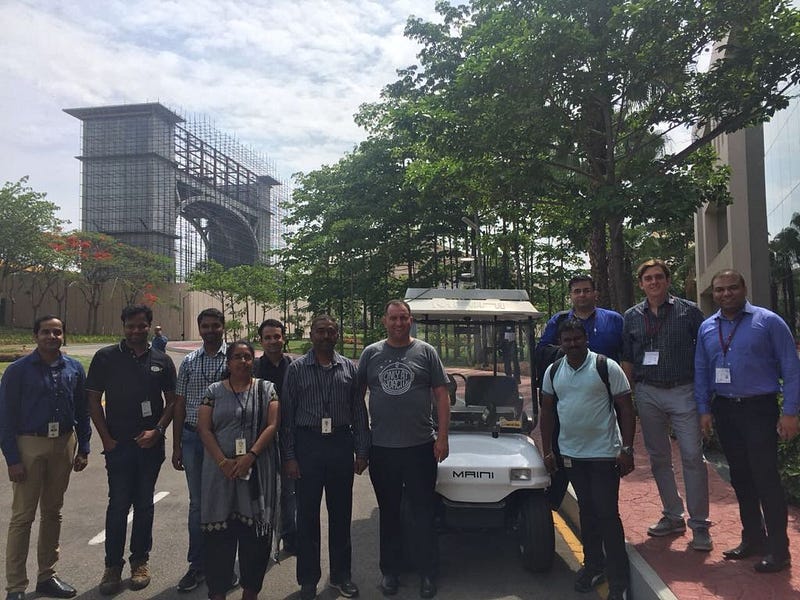
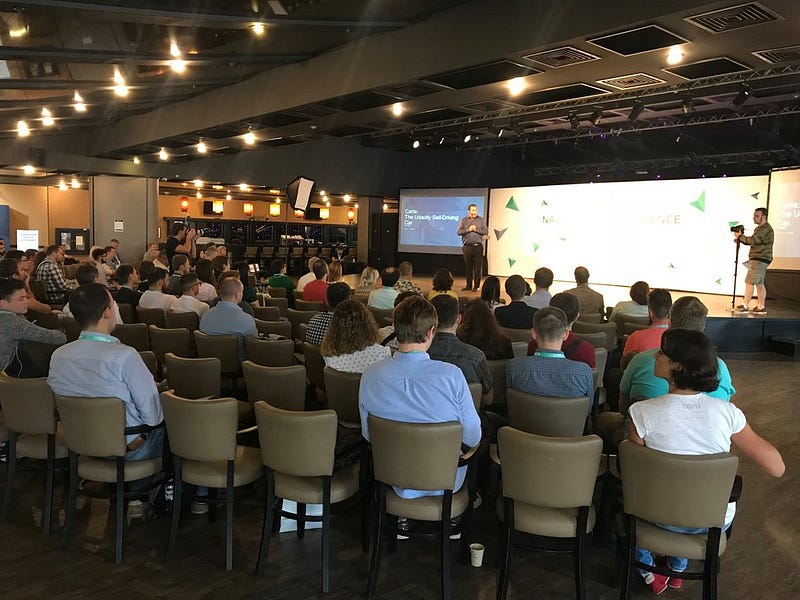
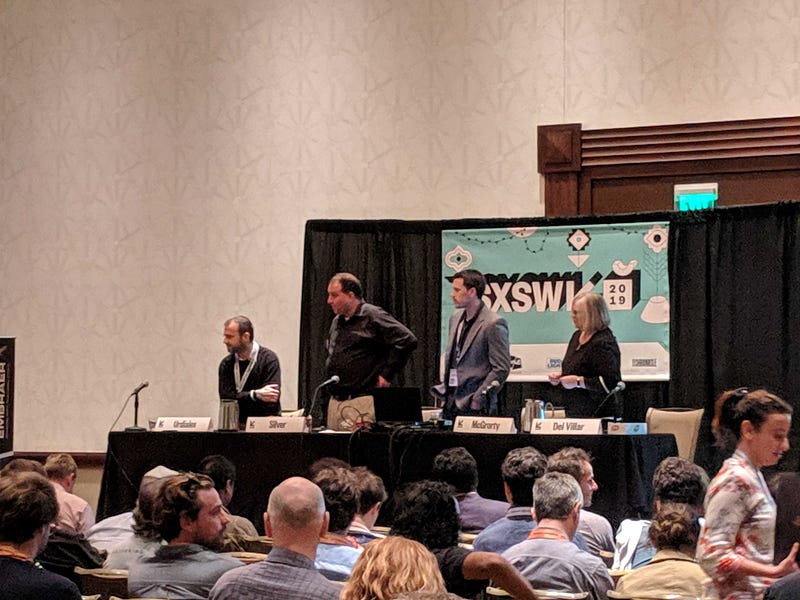
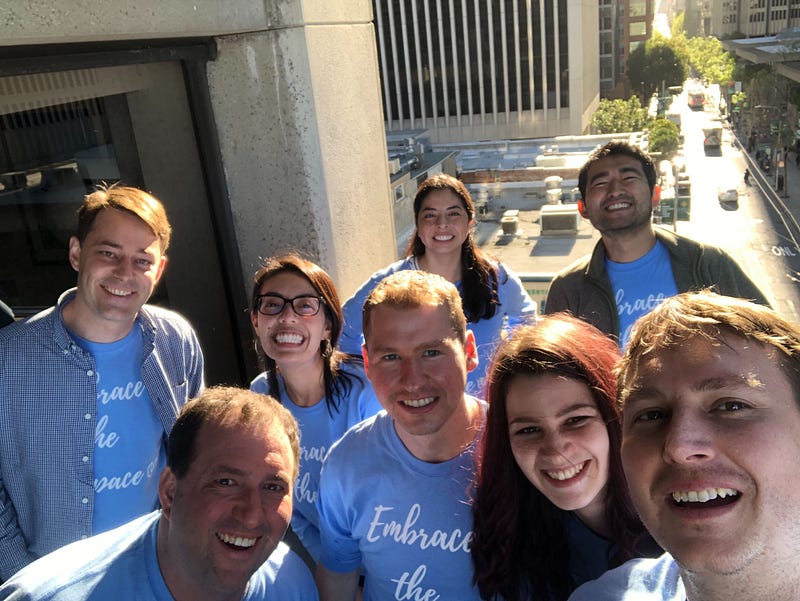
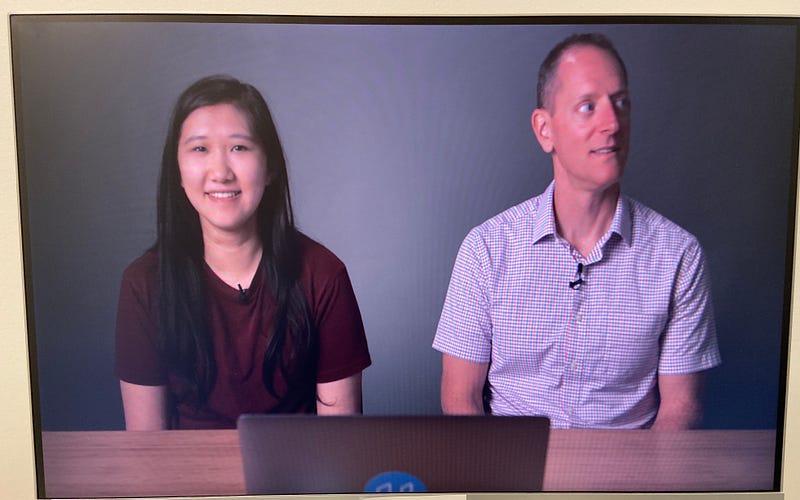
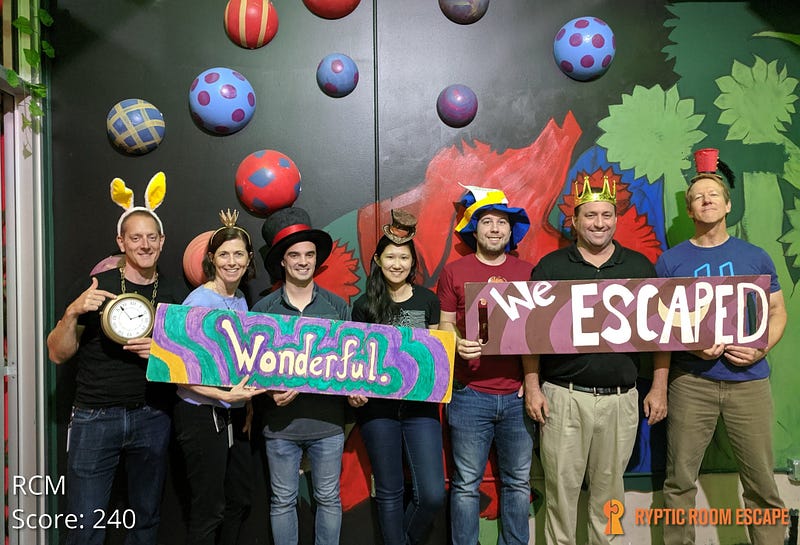
The 2016 SDC Pre-Launch Dashboard!Launching at TechCrunch Disrupt 2016!Finding Lane Lines — the first Self-Driving Car ProjectRyan Keenan building Self-Driving Car projectsThe first Self-Driving Car Team Retreat in Pajaro DunesMeeting Udacity students in DetroitWe won the first Udaciward!Meeting Udacity students in TokyoUdaciward Outing: NASCAR in SonomaTeaching with Lufthansa’s FlyingLab at 30,000 feet!Filming the final video!We finished the Self-Driving Car Engineer Nanodegree Program!Graduation!Brok and the team went crazy for my birthday!Autonomous Day at the Porsche Experience CenterInterviewing Sebastian Thrun for Udacity TalksWorking with the Infosys self-driving golf cart in Mysore, India!Filming with the Baidu Apollo teamTeaching self-driving cars at the Navimotive Conference in Ukraine!Presenting at NIO House in HangzhouSouth by Southwest!The last School of Autonomous Systems Team Retreat, in San Francisco!Interviewing C++ creator Bjarne StroustrupLive Teaching Samples!Curriculum Team Q4 2019 Retreat in the redwoodsThe Curriculum Team escaped!Super Chris Vasquez!We completed Los Pollos Hermanos Employee Training!Ask Me Anything!Farewell Karaoke!
Udacity is full of such wonderful people! My colleagues made me an amazing farewell video 🙂
I’m a little self-conscious about sharing it, because it’s hardly modest. But the video is a tour in and of itself through my time at Udacity, and it makes me so happy and proud.
If you pay attention, you can even get some hints about what I’ll be up to next 😉
















 David Silver