
Peak Oil

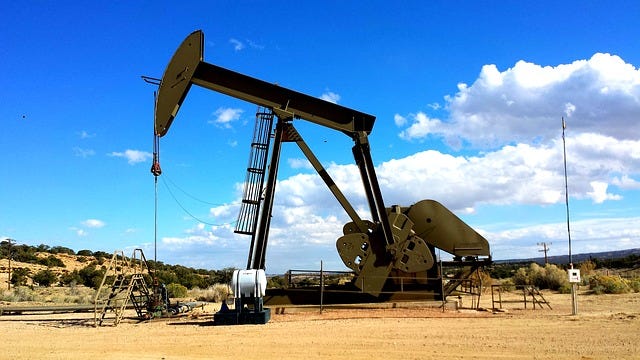
“Peak oil” was a popular theory about a decade ago, based on the idea that the usage of oil would fall as the world ran out of supply. The theory ran out of gas (sorry), due to a combination of fracking (increased supply) and the Great Recession (reduced demand).

Interestingly, however, BP now predicts the world will hit peak oil (they don’t actually use that term, I don’t think) around 2040, this time due to demand-side pressures.

Their projection is that a combination of solar energy, wind energy, and electric vehicles will put global demand for oil on a downward trajectory, starting in 20 years or so.

Big change from ten years ago, when some experts thought the world might run out of oil. Now at least some experts think we won’t need it (or at least as much of it) anymore.

One Trillion Extra Miles

KPMG just published a study about automotive innovation, which predicts that “personal miles traveled” which increase by 1 trillion miles between now and 2050. Half of that increase is due to population growth, but the other half is due to innovation and improvement in the automotive industry.

The increase due to innovation is projected to be ~10% of total PMT in 2050. In turn, the increase from 2015 total PMT to 2050 total PMT is projected to be ~50%.

I can’t comment on the specific numbers, but surely massive improvements in transportation automation will encourage people to travel more.

And that will affect resource development.

Traveling requires energy, and historically that energy has come primarily from fossil fuels.

While there is some hope that automation can help us become more efficient travelers, it seems likely we will need massive increases in fuel supply.

Even setting aside global warming concerns, it’s worth considering where we will find all of that fuel.

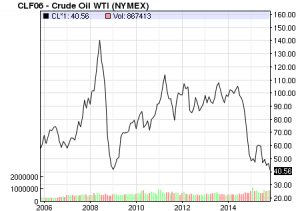
Oil prices are at decade-lows, so maybe now is a good time to go long oil.

On the other hand, Tesla is poised to revolutionize the battery industry, so maybe there.

By the way, coal (39%), natural gas (27%), and nuclear power (19%) account for 85% of current US electricity production.


Originally published at www.davidincalifornia.com on November 18, 2015.