The Internet is a-twitter with gossip that Google just poached one of the leaders of Tesla’s autonomous driving program.
This is surprising, given the personal emphasis Elon Musk recently put on building out the autonomous driving team.
Nonetheless, I wouldn’t make too much of it, other than to say that competition is healthy.
There are a limited number of real experts in autonomous driving, and their value will get bid up by the relatively large number of companies currently trying to build autonomous driving systems.
Where the real value lies is in creating more engineering talent in this space. To that end, Elon Musk’s Tweet that autonomous driving experience is “not required” is great. He might even be able to hire engineers at below-market wages, just for the educational benefit of working on Tesla’s autonomous driving team.
There are relatively few startups in the autonomous driving industry right now. The big players are really big — Tesla, Google, Uber, Ford, Continental Automotive, and the list goes on.
One notable startup, however, is Quanergy, a mapping and navigation company that specializes in LiDar.
“You cannot build autonomous cars without LiDar, and anyone who thinks differently, please challenge me.”
This statement about laser radar systems was made by Louay Eldada, CEO of Quanergy, to a crowd at the Connected Car Expo in Los Angeles, Calif., but it seemed directed to Tesla CEO Elon Musk or anyone who may have listened to his press conference in October when he announced the availability of AutoSteer.
A number of stories have recently surfaced, positing that Tesla will have to burn a lot of cash to stay in the auto manufacturing business:
Tesla Motors Inc. will continue to burn through large amounts of cash in its quest to become a bigger car maker, and Wall Street may be underestimating how much spending is still to come, analysts at Barclays said in a note Friday.
Tesla TSLA, -2.70% doesn’t have a good track record in spending efficiently, and its business strategy will keep it a capital-intensive company, the analysts said. They estimated Tesla, which has consistently lost money, will go through $11 billion in capital spending over the next five years.
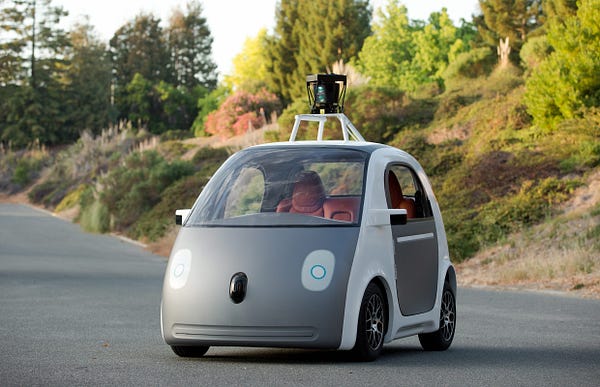
This, of course, contrasts with Google’s business model, which is to focus on software and leave the manufacturing to others.
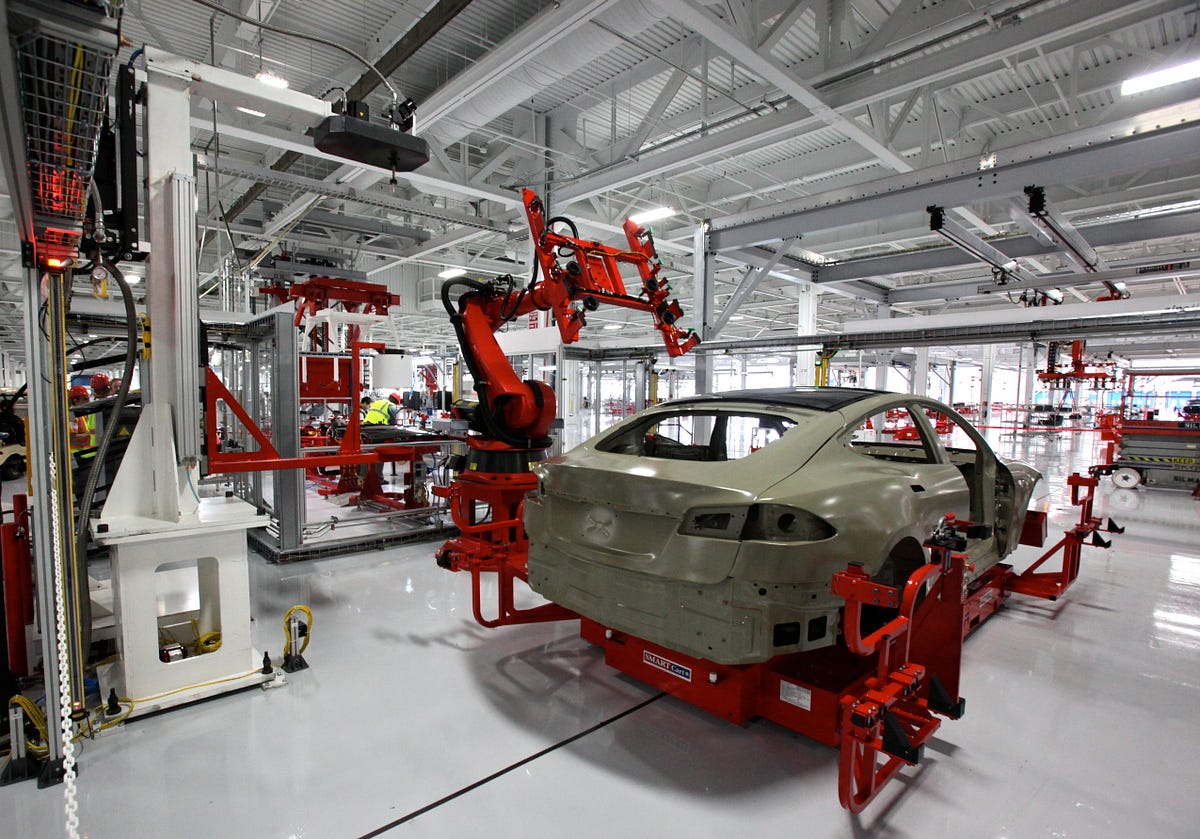
I’ve always wondered why the price of (standard, human-driven) cars hasn’t fallen further. What are the costs of making a car? This Quora answer is short, so I’ll post it in its entirety:
OEMs (e.g. Ford, GM, VW etc) do not make car parts. What they do is the final assembly at their JIT [DS: I assume this stands for Just-In-Time] plants.
So the basic costs associated making a vehicle are:
-payments to auto parts suppliers (overhead console, flooring, door panels, electric wires-pretty much everything 🙂 )
-payments to auto part makers investment (mould and stamping machines etc)
-logistic costs
-SG&A of an OEM
Diving in a little further, Ford’s most recent Form 10-K shows that ~88% of their costs fall under “Automotive cost of sales”, which is accounting-speak for the costs of producing cars. Actually, that probably understates the case a bit, because Ford also has a small financial arm, and some of the remaining costs are attributable to that.
Of course, “Automotive cost of sales” encompasses the first three bullet points above, and the 10-K doesn’t have enough information (at least upon a quick scan) to break down the costs further.
It would be interesting to know more about where Tesla has the opportunity to wring costs out of the system.
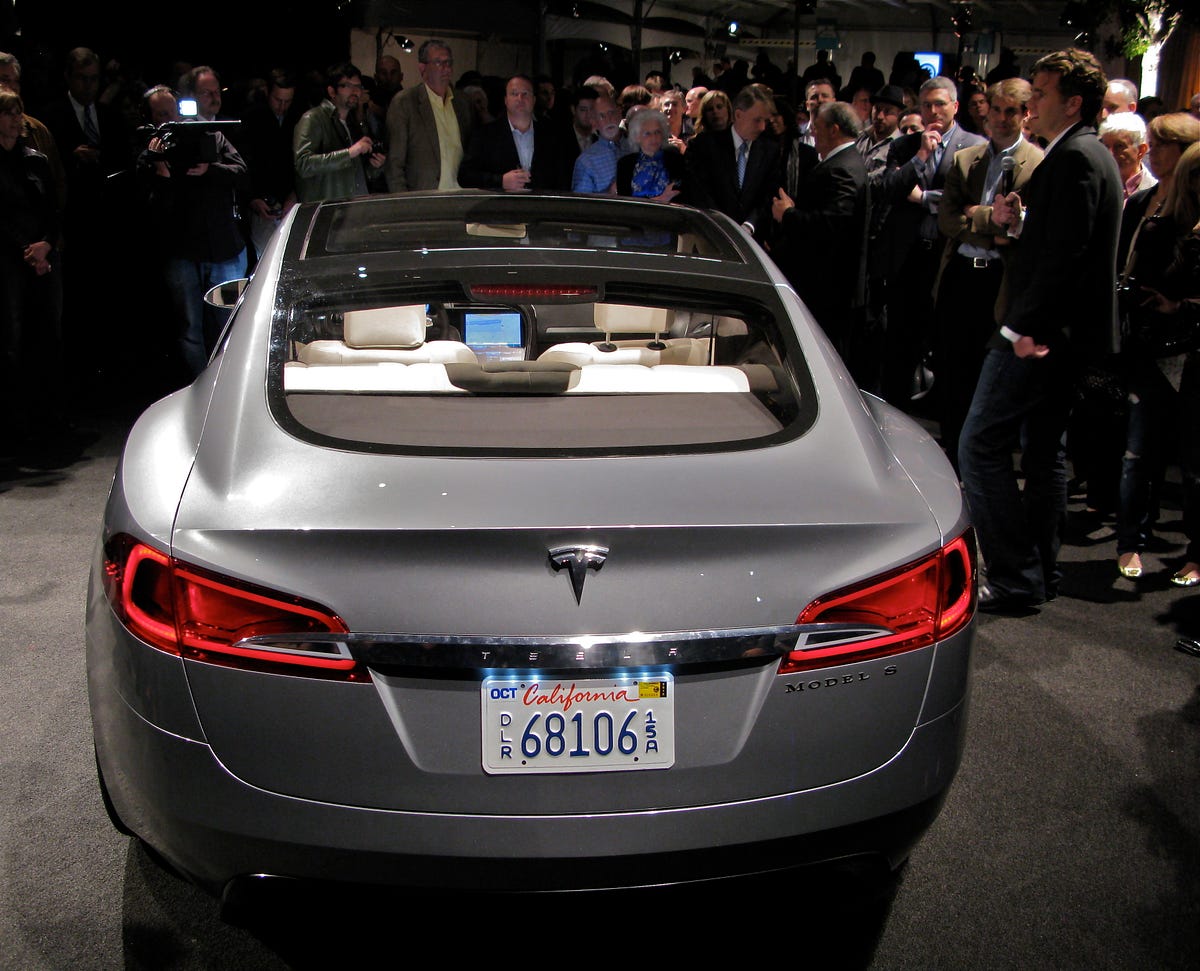
Last night, Tesla rolled out a software update to its Model S sedans. The update enables autopilot functionality on highways, as well as auto-parking in some situations.
This is a great step forward for Tesla, and a long-term step forward for consumers, as the new data will give Tesla a huge leg up in race for self-driving cars. Nothing like tens of thousands of users to work out the bugs in your software.
In the short-term, I think it’s probably only a small win for consumers. Tesla has been vocal that any accidents caused by the software will be the responsibility of the driver. This means drivers will have to stay engaged throughout the trip, scaling back a lot of the benefits to a self-driving car.
But, as Tesla gets more and more data and becomes more and more confident in its software, I imagine the day that Tesla takes responsibility for its autopilot is coming fast.



 David Silver