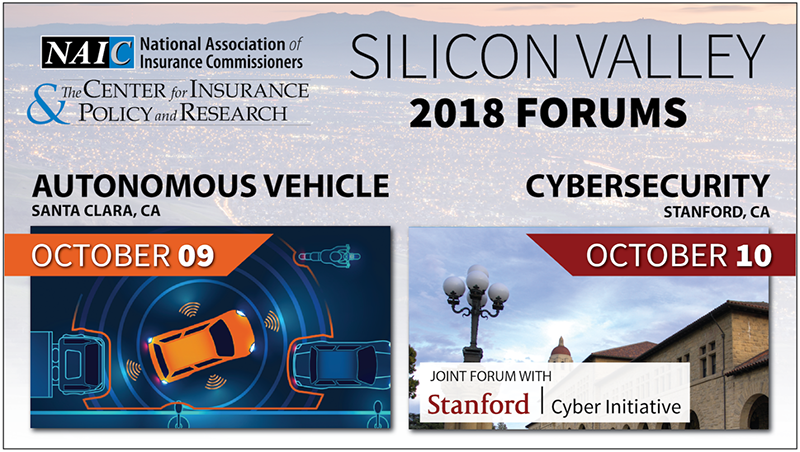
On Tuesday morning I will speak on a panel at the Autonomous Vehicle Insurance Forum, hosted by the National Association of Insurance Commissioners. The panel has a terrific lineup and I am delighted to participate, and to learn about the intersection of insurance and self-driving cars.
Please join me at the Santa Clara Convention Center!
The panel will be from 5:30pm — 8:30pm in Sunnyvale, California, at the offices of Micro Focus. It’s quite a lineup they’ve assembled:
David Hall: Founder and CEO of Velodyne
Manji Suzuki: VP at Denso
Ashish Karandikar: VP at NVIDIA
Qasar Younis: Founder and CEO of Applied Intuition
Vijay Nadkarni: VP at Visteon
Hyunggi Cho: Founder and CEO of Phantom AI
If you want to learn what is going on at the cutting-edge of self-driving cars in Silicon Valley, this seems like the place to do it. I’m excited myself to learn what the other panelists have to say about the future of autonomous vehicles!
The Honda-GM transaction places a staggering $14.6 billion valuation on privately-held Cruise Automation.
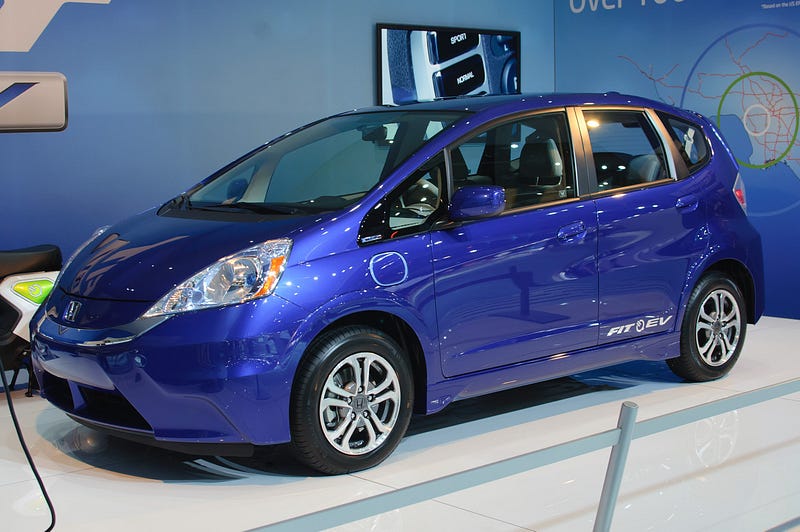
Joann Muller at Axios writes that the centerpiece of this deal (besides the cash) is Honda’s interior design expertise.
“Honda brings unique engineering talents, especially when it comes to the efficient use of interior vehicle space…Ever look inside a Honda Fit? You’ll be shocked how much room there is inside such a tiny car…getting the user experience right is the ultimate engineering challenge. Honda is the perfect partner.”
There have been a lot of concept cars in the press, highlighting what designs might be possible for self-driving cars. These concepts often strike me as similar to the fashion designs that roll down New York runways — interesting conceptually, but a far cry from the designs that will hit the mass market. So I’m excited to see what Cruise-GM-Honda rolls out for real passengers.
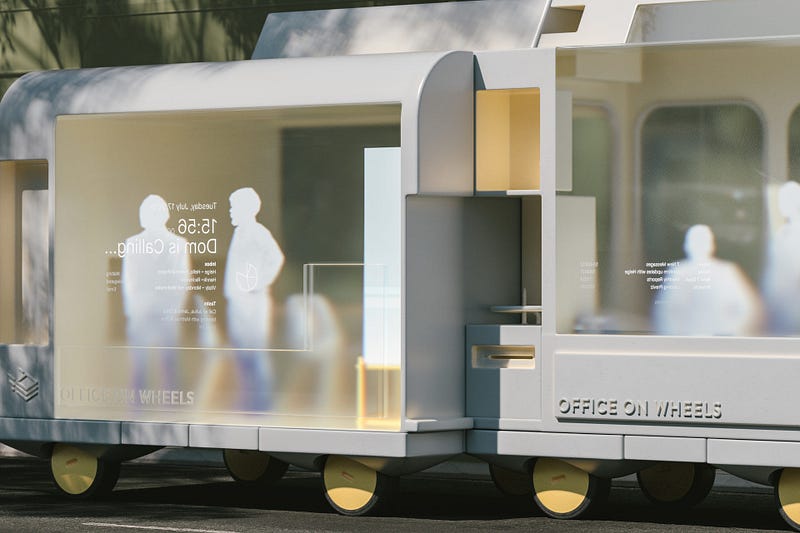
The happiest self-driving news I have read in a long time is that IKEA is imagining our future self-driving world. That’s right — the autonomous future is balsa wood, tiny hex wrenches, and pictographic assembly instructions.
Somewhat more specifically, the concepts are developed by Space10, a Danish design lab with confusing connections to IKEA. Space10 itself doesn’t seem to mention IKEA on its website. But IKEA published a 2016 blog post in which it refers to Space10 as its “secret design lab.”
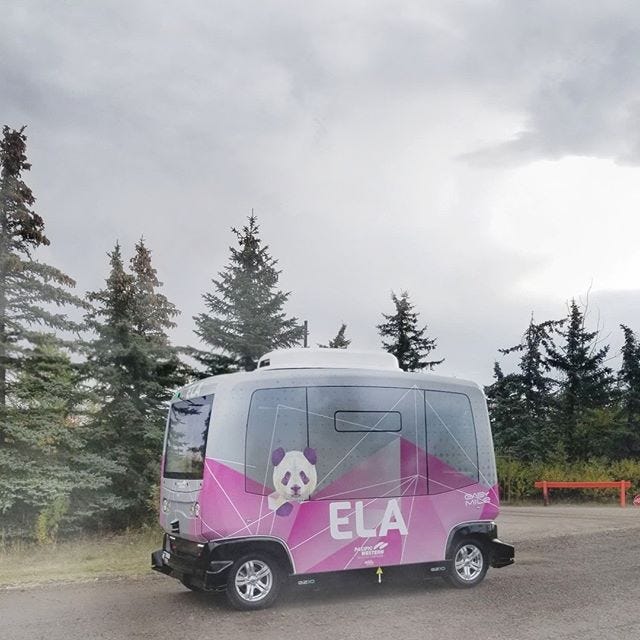
I love seeing a new self-driving vehicle hit the streets that the general public can ride. So I am excited to read about ELA, a shuttle powered by EasyMile.
Ela is testing this month in the great Canadian north — Edmonton and Calgary, Aberta. It’s a limited time trial, but the good news is that anybody can sign up.
All you have to do is get to Edmonton. It’s a hike, but they have an awesome mall there.
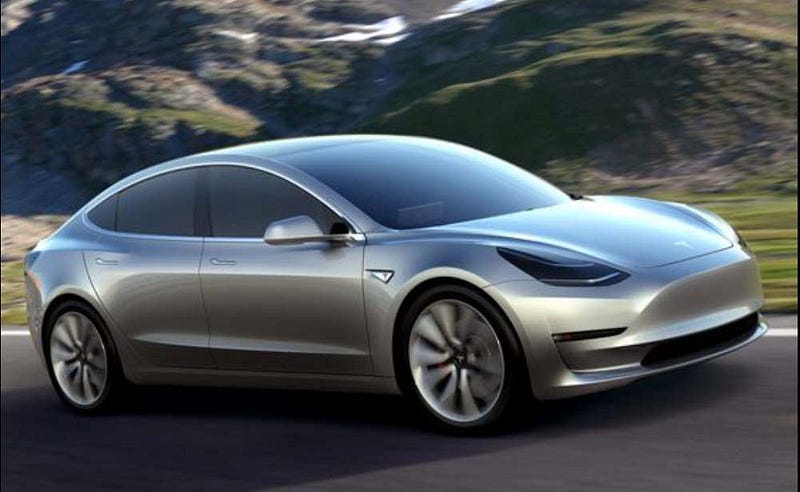
“Musk wrote in an email obtained by Bloomberg News that Tesla needed about 100 more employees to join an internal testing program linked to rolling out the full self-driving capability. Any worker who buys a Tesla and agrees to share 300 to 400 hours of driving feedback with the company’s Autopilot team by the end of next year won’t have to pay for full self-driving — an $8,000 saving — or for a premium interior, which normally costs $5,000, Musk wrote.”
Last week I had the honor of making my first trip to Kiev, Ukraine, to speak at Navimotive, the largest autonomous vehicle conference in Eastern Europe.
It is so exciting to meet software engineers from all over the world who are working on autonomous vehicles. This is particularly true Ukraine and other geographies that are new participants in the world of autonomous vehicles.
The event was hosted by Intellias, an automotive software firm with over 1,000 engineers. It is fantastic that there are engineers in places like Kiev and Lviv and Odesa working in C++ on similar problems as engineers in Bavaria or Detroit or Silicon Valley or China or India. Self-driving cars truly are going global.
The speakers came from around the globe, including:
Many other international and Ukrainian companies were present as well.
My hope is that in the next few years self-driving cars will become as visible in Kiev as they are in Mountain View, and that engineers from all over the world have the opportunity to contribute to that future!
Next Saturday, September 15, I am excited to speak at Navimotive, organized by Intellias, in Kiev, Ukraine!
Self-driving cars really are becoming a world-wide phenomenon, with contributions across the entire world. Intellias is a Ukranian automotive supplier that works with companies like Volkswagen, HERE, and Yandex. There will also be speakers from GlobalLogic, CloudMade, MAPS.ME, and more.
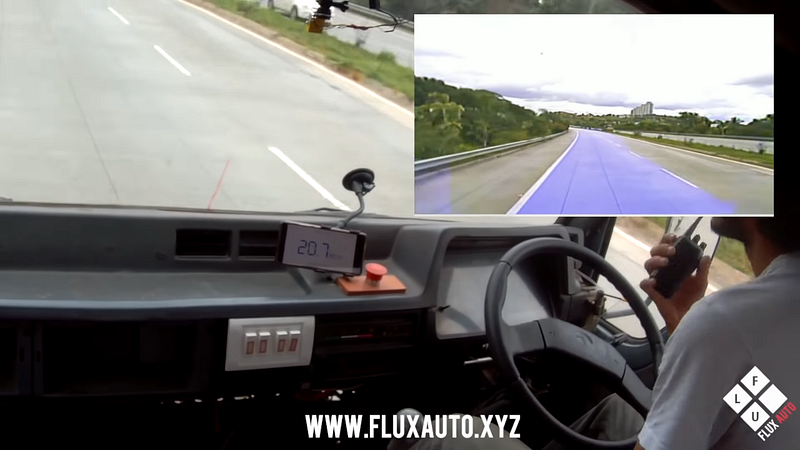
See the prototype in action—10km of autonomous highway driving!
One of the great joys of teaching self-driving cars at Udacity is watching the amazing things our students build. I’m based in Silicon Valley, but our students come from all over the world, and I have the opportunity on a daily basis to experience the truly global nature of this transportation revolution.
One of our Udacity self-driving car graduates, Shilpaj Bhalerao, is the tech lead for a small team building self-driving trucks in India. This is no small feat. India is even more of a challenge for self-driving cars than other parts of the world, due to the complexity of traffic norms, and the infrastructure quality. So it’s super-exciting to watch their 10km autonomous trucking run in action.
Check it out.
No matter where you are in the world, if your dream is to contribute to the future of autonomous transportation, then you can acquire the skills you need with Udacity. Check out our School of Autonomous Systems today.
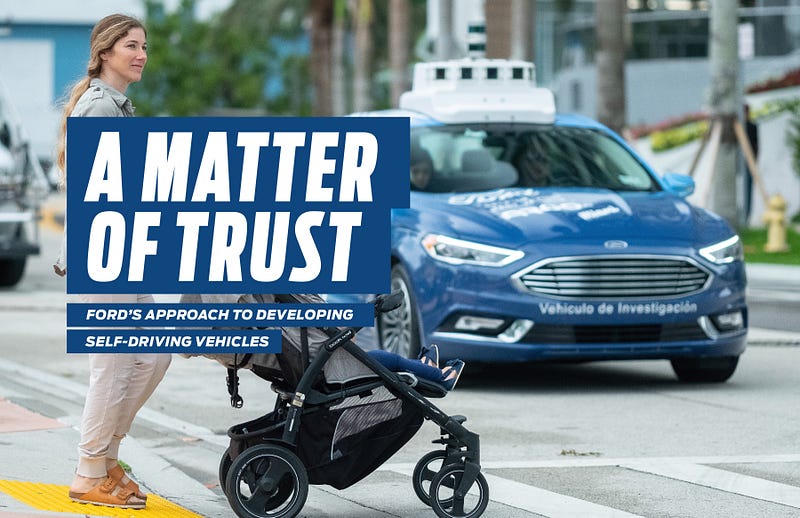
Compared to the Waymo Safety Report released last year, the Ford document is a little more dense, but broadly similar. Both documents discuss how autonomous vehicles work, what sensors are involved, and what processes are in place to ensure safety.
Ford’s document includes more detail about training and procedures for safety operators, as you might expect in the wake of the Uber ATG collision in Arizona.
Ford also share a bit more information about security. The report mentions efforts related to authentication, network segmentation, and physical partitioning.
All in all, it’s a good read to see how a larger autonomous vehicle organization operates.