My latest Forbes.com article reviews Embraer’s Q1 2020 results, which were buffeted by a failed sale of its commercial aviation division to Boeing, also the COVID-19 pandemic, delinquent customers, and surprising strength in its executive aviation and defense units.
The headline numbers were down: revenue decreased 24% compared to Q1 2019, and commercial aircraft deliveries declined 55% from the previous year. Nonetheless, Embraer heads into the rest of 2020 in a strong cash position, with $2.5 billion on its balance sheet, in large part due to strong Q4 2019 results.
Years ago, when I was studying computer science in Brazil, Embraer was the place for aspiring Brazilian engineers to work. Petrobras had the money, but Embraer had the cache of being Brazil’s technology company that was on-par with the rest of the world.
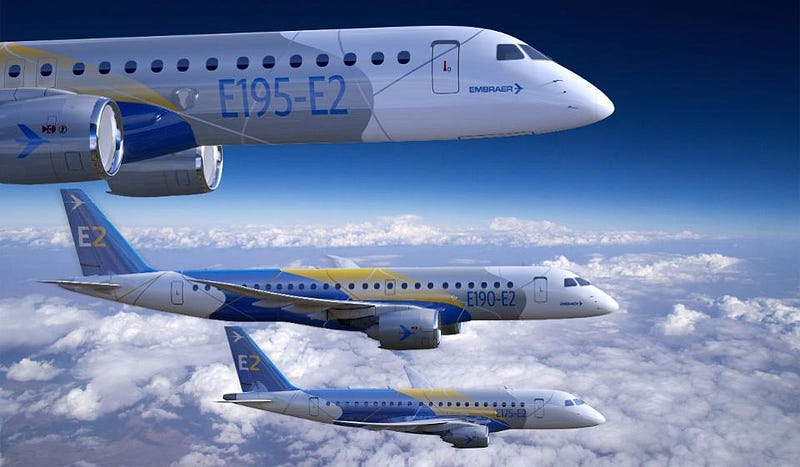
Embraer is the world’s third-largest aircraft manufacturer, after Boeing and Airbus. Think about that. The world’s largest aircraft manufacturer is in Europe, the second-largest manufacturer is in the United States, and the third largest is in…Brazil.
Not China, not Taiwan, not Japan, not India, not back in the US. It’s in San Jose dos Campos.
I’m always a little thrilled to step onto an Embraer regional jet. A little bit of Brazil in the sky.
Embraer continues to dream big. At South by Southwest last year, Embraer had a huge presence, touting their eVOTL vision.
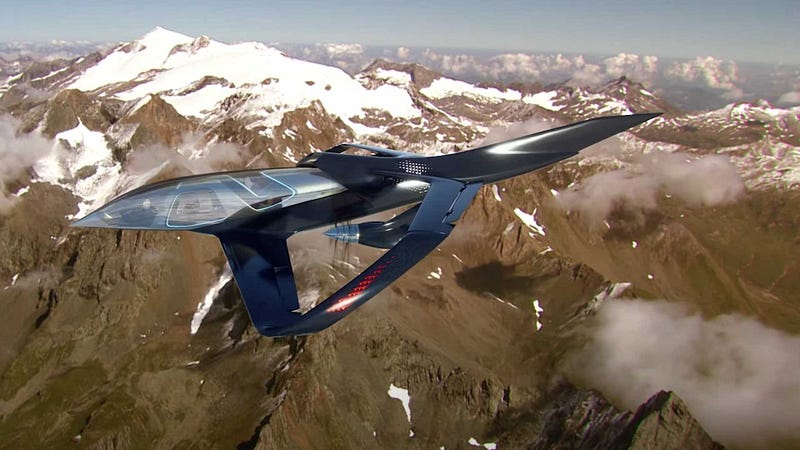
I recently re-watched Embraer’s Pulse concept video from last fall. It feels pretty sci-fi, like a lot of concept videos, but it’s exciting to see a Brazilian company envision the future.

 David Silver