Last month I had the privilege of traveling to Kiev, Ukraine, to speak at Navimotive 2018, hosted by the Ukranian automotive software supplier Intellias.
It was a lot of fun and I enjoyed witnessing the work taking place on self-driving cars in Eastern Europe and beyond. Ukraine is a great country.
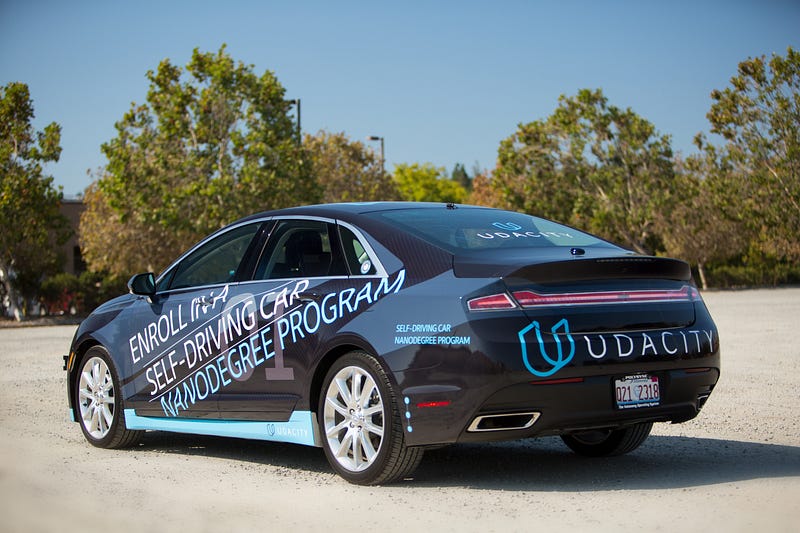
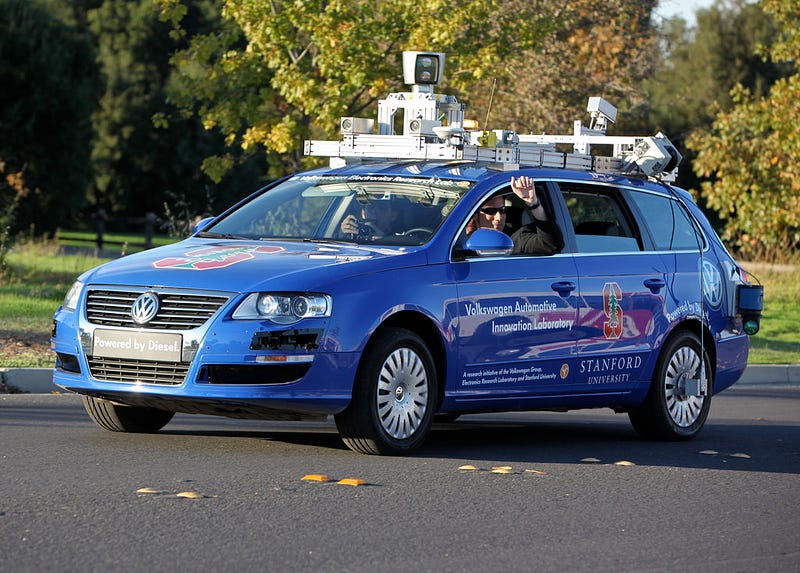
My talk at the conference was entitled, “Carla: The Udacity Self-Driving Car”.
For the past two years or so, Tesla has provided a “full self-driving” option on its vehicles. The option cost $5,000.
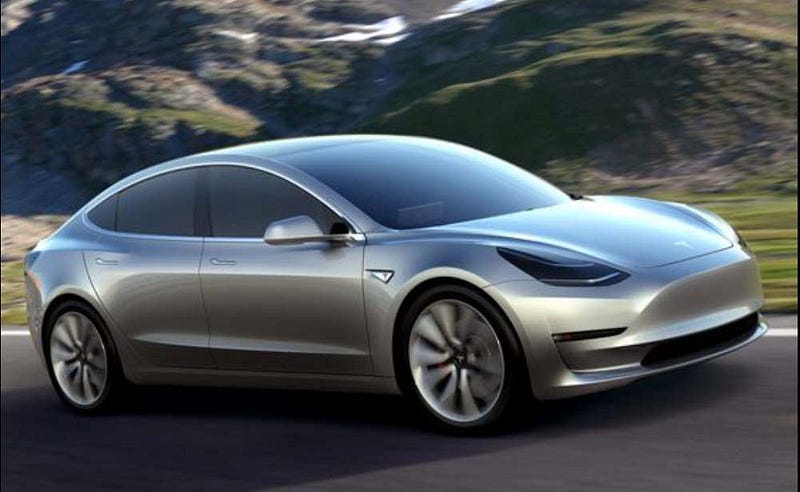
Tesla CEO Elon Musk announced new mid-range options for the Model 3 this week, and the associated design website renames the “Full Self-Driving” feature to “Enhanced Autopilot”.
In a tweet, Musk said:
Also available off menu for a week. Was causing too much confusion.
I am a bit confused by the meaning of Musk’s tweet. Is “full self-driving” actually still available, on an alternate menu? Does he mean “full self-driving” has been unavailable for week?
The simplest explanation seems to be that Tesla decided to rebrand their Autopilot feature.
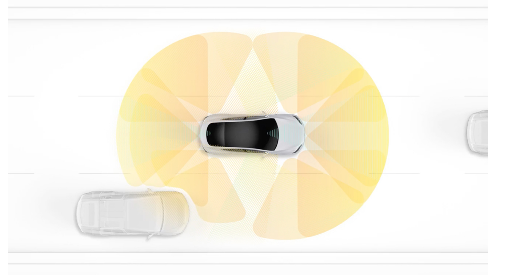
A lot of people have been skeptical about the ability of Tesla to create a fully autonomous vehicle with only cameras and one radar and no lidar. Perhaps this is a nod in that direction.
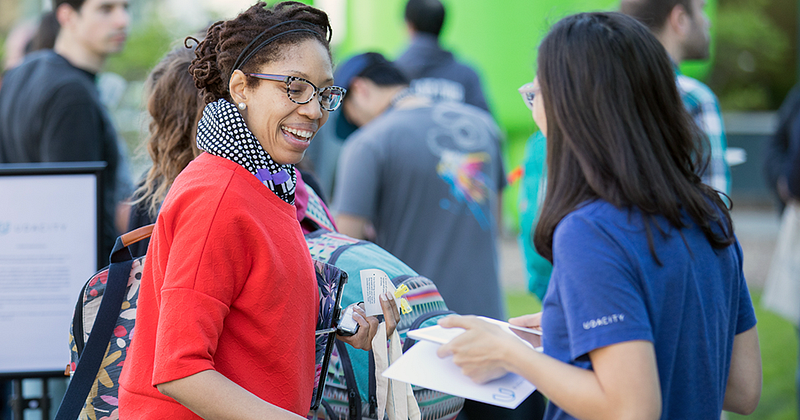
This is an online event for Udacity students and alumni to learn from and connect with each other, as well as to hear from Udacity staff. Since Udacity is an online education institution with students all around the world, this is a virtual event, taking place online throughout the weekend.
The Festival will feature:
“Presentations covering everything from pitching projects and landing new jobs, to career change and entrepreneurial success.
Exclusive digital meetups for each Udacity school — Artificial Intelligence, Autonomous Systems, Business, Data Science, and Programming.
Panel discussions with alumni sharing their career advancement strategies. … and so much more!”
As a teaser, the School of Autonomous Systems event will feature a ride in Carla, Udacity’s self-drivng car!
As if that weren’t enough, I will engage is a special round of Carla Karaoke. You will not believe my closing number. Like, literally, you will not believe it. You will watch me sing it and still will not believe I chose this song.
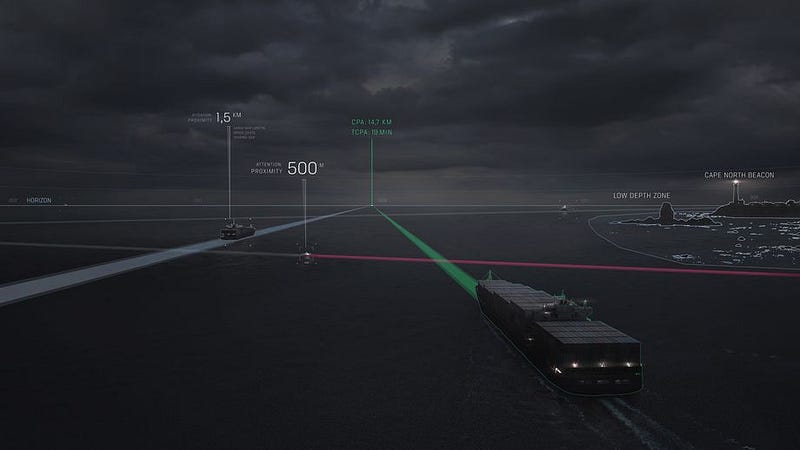
The Verge reports on a partnership between Intel and Rolls-Royce to build “self-driving” ships. The article blends discussion of three different scenarios:
autonomous long-haul shipping
remote-control operation
pilot assistance for docking and similar scenarios
I have almost no knowledge of shipping or boats or the ocean or even water. I do know how to swim.
Nonetheless, I speculate that #3 seems the most useful.
The gains achieved by removing a human crew from a cargo ship seem minimal. In the context of a massive shipping vessel stuffed with rectangular containers, the cost of the human crew just doesn’t seem that significant.
But in the context of the close quarters of a harbor or port, I can imagine that there might be substantial performance gains from automation or pilot assistance.
Again, knowing not much about the actual constraints of maritime shipping, I could imagine harbors as bottlenecks, where ships get queued up in lines, waiting for relatively scarce tugboats and harbor pilots. Furthermore, ships do not turn on a dime, and so presumably need to maintain substantial buffer distances.
Autonomous shipping in close quarters might improve both the latency of docking (by allowing ships to skip the line) and the throughput (by allowing ships to shrink buffer distances).
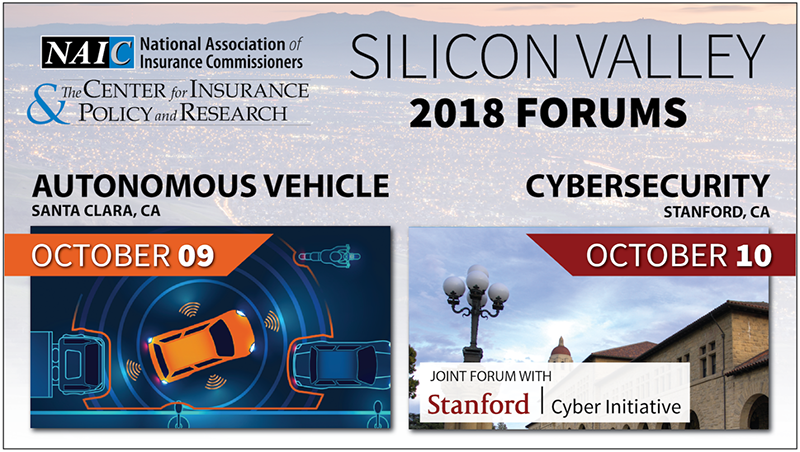
On Tuesday morning I will speak on a panel at the Autonomous Vehicle Insurance Forum, hosted by the National Association of Insurance Commissioners. The panel has a terrific lineup and I am delighted to participate, and to learn about the intersection of insurance and self-driving cars.
Please join me at the Santa Clara Convention Center!
The panel will be from 5:30pm — 8:30pm in Sunnyvale, California, at the offices of Micro Focus. It’s quite a lineup they’ve assembled:
David Hall: Founder and CEO of Velodyne
Manji Suzuki: VP at Denso
Ashish Karandikar: VP at NVIDIA
Qasar Younis: Founder and CEO of Applied Intuition
Vijay Nadkarni: VP at Visteon
Hyunggi Cho: Founder and CEO of Phantom AI
If you want to learn what is going on at the cutting-edge of self-driving cars in Silicon Valley, this seems like the place to do it. I’m excited myself to learn what the other panelists have to say about the future of autonomous vehicles!
The Honda-GM transaction places a staggering $14.6 billion valuation on privately-held Cruise Automation.
Joann Muller at Axios writes that the centerpiece of this deal (besides the cash) is Honda’s interior design expertise.
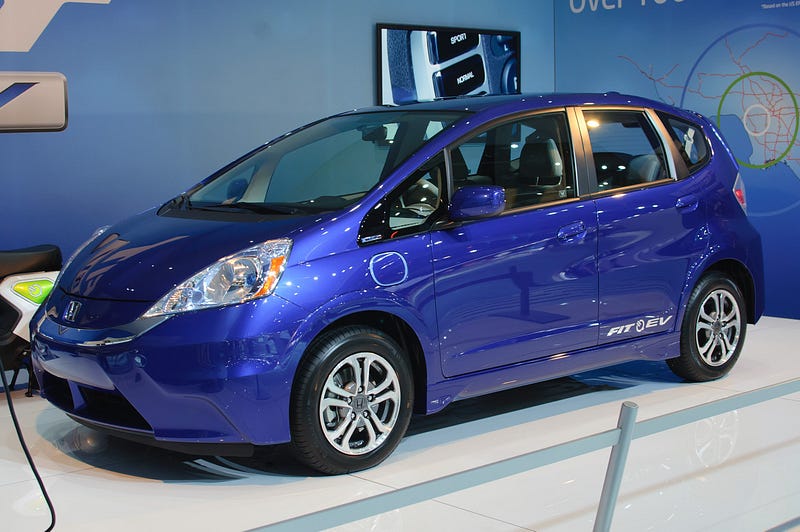
“Honda brings unique engineering talents, especially when it comes to the efficient use of interior vehicle space…Ever look inside a Honda Fit? You’ll be shocked how much room there is inside such a tiny car…getting the user experience right is the ultimate engineering challenge. Honda is the perfect partner.”
There have been a lot of concept cars in the press, highlighting what designs might be possible for self-driving cars. These concepts often strike me as similar to the fashion designs that roll down New York runways — interesting conceptually, but a far cry from the designs that will hit the mass market. So I’m excited to see what Cruise-GM-Honda rolls out for real passengers.
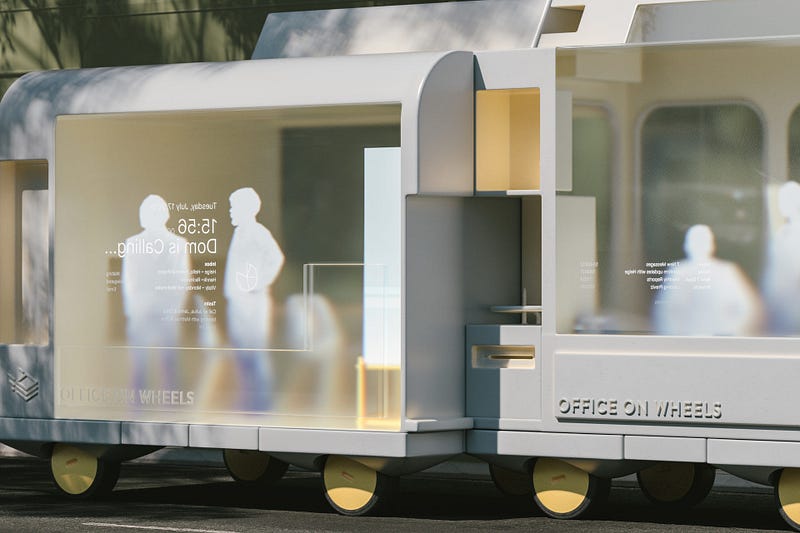
The happiest self-driving news I have read in a long time is that IKEA is imagining our future self-driving world. That’s right — the autonomous future is balsa wood, tiny hex wrenches, and pictographic assembly instructions.
Somewhat more specifically, the concepts are developed by Space10, a Danish design lab with confusing connections to IKEA. Space10 itself doesn’t seem to mention IKEA on its website. But IKEA published a 2016 blog post in which it refers to Space10 as its “secret design lab.”
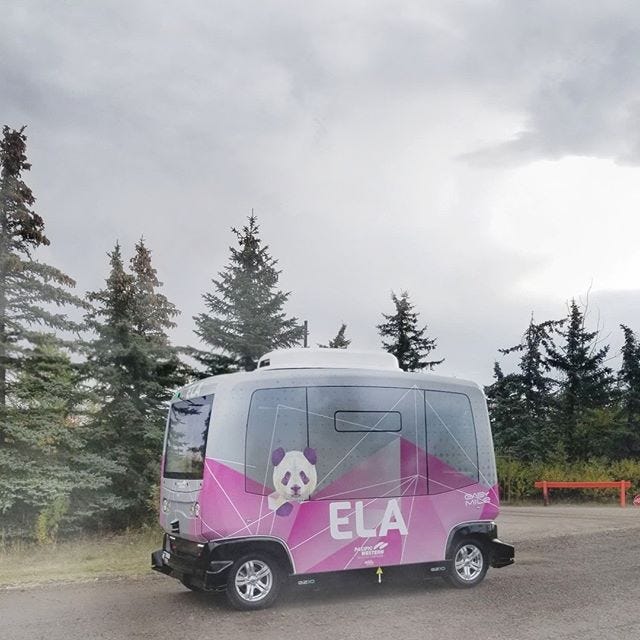
I love seeing a new self-driving vehicle hit the streets that the general public can ride. So I am excited to read about ELA, a shuttle powered by EasyMile.
Ela is testing this month in the great Canadian north — Edmonton and Calgary, Aberta. It’s a limited time trial, but the good news is that anybody can sign up.
All you have to do is get to Edmonton. It’s a hike, but they have an awesome mall there.
“Musk wrote in an email obtained by Bloomberg News that Tesla needed about 100 more employees to join an internal testing program linked to rolling out the full self-driving capability. Any worker who buys a Tesla and agrees to share 300 to 400 hours of driving feedback with the company’s Autopilot team by the end of next year won’t have to pay for full self-driving — an $8,000 saving — or for a premium interior, which normally costs $5,000, Musk wrote.”
 David Silver