

Over the last year, a number of companies (including Udacity) have released self-driving car simulators powered by gaming engines.
The latest entrant is Microsoft, which has updated their open-source AirSim flight program to also support self-driving cars.
AirSim looks awesome. The big advantages of building off of a gaming engine (AirSim uses Unreal Engine, whereas the Udacity simulator uses Unity) include fully baked APIs, powerful physics engines, and incredibly realistic design and graphics.
That last item what will ultimately make or brake AirSim, or any other simulation engine.
The holy grail of autonomous vehicle simulation is the ability to train machine learning models in the simulator, and then port them to the real world. Once a simulator breaks that barrier, we should see incredibly fast improvements in our ability to build autonomous driving systems, as it’s exponentially faster to drive “simulated” miles compared “real” miles.
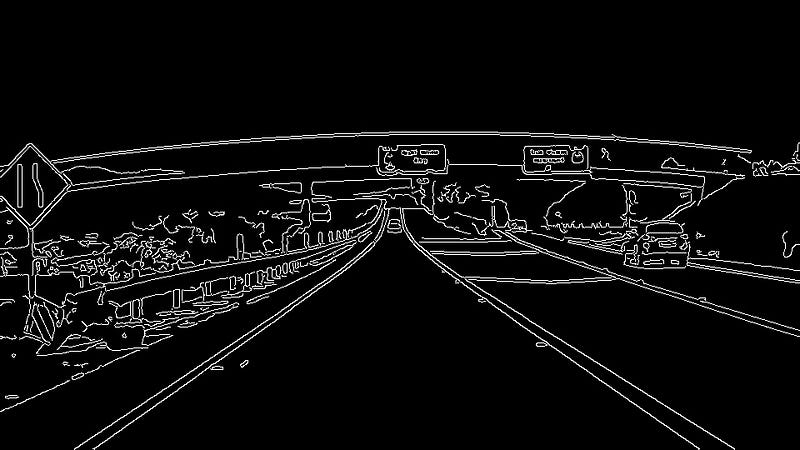
As photorealistic as AirSim is, it doesn’t yet look to me like it’s realistic enough to reliably move models between AirSims photorealistic environment and the actual, real environment.
That said, I doubt it’s possible to determine model portability with much confidence simply by eyeballing YouTube videos of the simulator, which is all I’ve done so far.
I look forward to people trying out AirSim models in the real world and seeing how they do.










 David Silver